What’s possible
for neurodivergent young people.
Most adults are interpreting what they see in real time without a shared way to understand what’s actually happening underneath.
Peopling helps educators and families build that understanding, so responses shift, relationships strengthen, and young people can grow.
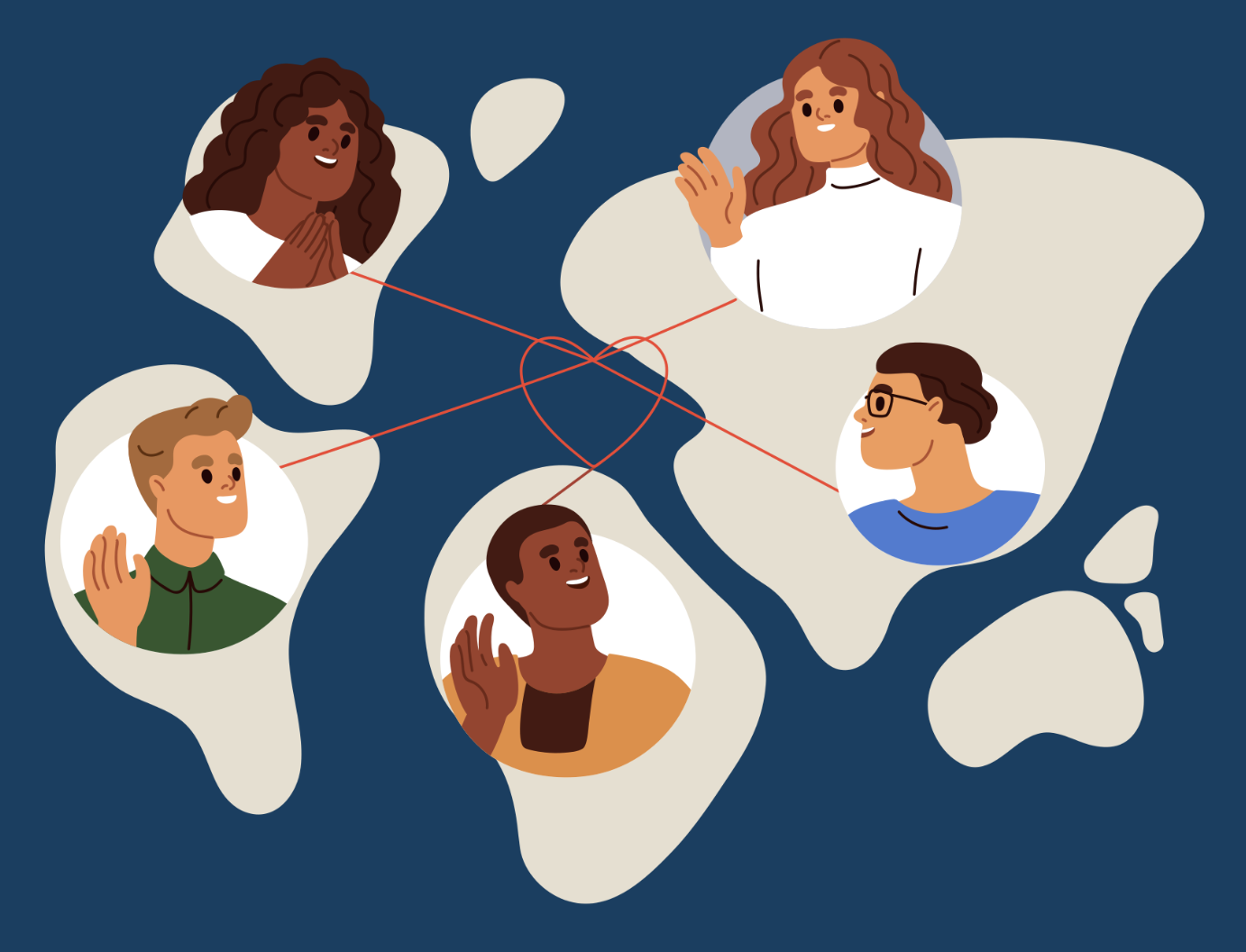
Peopling (v.)
The ongoing practice of understanding another person’s lived experience.
Practice noticing, interpreting, and responding to support neurodivergent kids and those that support them.
What looks like resistance might be fatigue.
What looks like distraction might be overload.
What looks like disengagement might be protection.
How Peopling Helps You Grow
Peopling is designed to build understanding, carry it into practice, and align the adults around a young person. Support grows when understanding, action, and alignment work together.
Build Understanding
See what’s actually happening beneath the surface—especially for neurodivergent learners,
so that your responses are grounded and supportive meaningful change.
Kids say:
“When people slow down and really try to understand me, I don’t feel like a problem to solve.”
Focus on supporting the young people in your life and building a foundation of trust, allowing growth to better take hold.
How?
Short, focused online micro-courses and decks for educators and parents, built from the same foundation.
Turn Insight Into Action
Translate understanding into real responses,
so that you can respond in the moment in ways that are supportive and that reduce judgement, frustration, or escalation.
Kids say:
“It helps when adults don’t jump to conclusions. When they pause, I get a chance to show what I actually need.”
Deepen your understand of not only the neurodivergent young person in front of you, but also your reactions & responses.
How?
Guides and tools that help you pause, interpret, and act in everyday continued, coherent, and differentiated personal explorations.moments.
Align the Support
Build shared understanding across classrooms, teams, and home, and workplace so that a young person is supported consistently, not reinterpreted in every setting.
Kids say:
“It’s confusing when every adult sees me differently. It helps when they’re on the same page.”
Broadening the ecosystem of support builds collective efficacy and alliance among those that care for the young person. Together we are better.
How?
Professional learning and parent learning working from the same foundation elevates the direction and purpose of the actions.
Support grows when understanding, action, and alignment work together.
Trusted Voices
Bob Dannenhold
Director at Collegeology, NACAC, PNACAC, HECA, LDA, CVSP
“I would very much like to share my sincere support, thanks and gratitude for the Peopling.me series of presentations by the incredible Mike Haykin. This series will be foundational for professionals in the field of academic support and for the parents of special needs students. Mike Haykin is offering a very special gift to all of us with this program.”

Jean Orvis
Seattle Academy Founder & Educational Leadership Consultant
“This course serves as an incredibly useful and practical guide for both parents and teachers who strive to better understand the experience and needs of a neurodivergent child and seek proven techniques for supporting emotional and academic development.”
Jennifer Morris
TK-8 Principal, Greater Los Angeles Area / Thought Leader
“Supporting neurodivergent students within traditional school systems is complex and the need for understanding has never been greater. When educators, counselors, and parents truly understand how neurodivergent learners experience the world, everything changes. Peopling keeps it real, translating research into practice and helping adults step inside the learner’s experience. His work challenges us to examine our mindsets, beliefs, and strategies so support becomes intentional, human-centered, and transformative. When understanding deepens, relationships build and impact follows.”
What we’re seeing in practice
Peopling is built through ongoing pilots and field testing with parents, educators, and school teams.
This work is informed by design-based research—iterating in real settings, with real people, around real moments.
Across two parent pilots and field tests in professional learning settings, consistent patterns have emerged:
Parents
Parents reported increased confidence in how they interpret and respond to their children.
They described shifts in how they:
made sense of challenging moments
approached conversations
held both support and expectations
Over time, these shifts changed the tone of their relationships.
Less tension.
More clarity.
More connection.
Educators
Educators showed increased curiosity toward neurodivergent students and greater nuance and confidence in how they interpreted behavior.
Instead of reacting quickly, they:
pause
consider what might be underneath
adjust their response
These shifts led to:
more productive interactions
greater student engagement and progressive growth
a stronger sense of connection in the classroom

Young People
Young people experienced a shift in how adults engaged with them, leading to greater clarity, trust, and space to participate in their own growth.
Felt more understood and less judged in day-to-day interactions
Experienced more time and space to think, respond, and show what they knew
Were seen beyond behavior, with attention to context, intention, and variability
Noticed more consistency across adults, reducing confusion and mixed messages
Became more willing to engage, take risks, and communicate their needs
Join us as we pilot new content & experiences!
This work is ongoing.
We partner with schools and communities who want to:
deepen their understanding
apply the work in real settings
and contribute to shaping how it evolves
Pilots and field tests provide:
structured opportunities to engage with the work over time
support for implementation in your setting
space to reflect on practice and outcomes
They are not trials in isolation.
They are opportunities for deeper engagement—grounded in your context.
If you’re interested in bringing this work into your school or community, we’d love to talk.
neurodivergence
〰️
adhd
〰️
autism
〰️
dysgraphia
〰️
across learning ecosystems: school, home, & work
〰️
relationships with others & self
〰️
common understanding
〰️
common language
〰️
common action
〰️
adaptive & relational instruction
〰️
neurodivergence 〰️ adhd 〰️ autism 〰️ dysgraphia 〰️ across learning ecosystems: school, home, & work 〰️ relationships with others & self 〰️ common understanding 〰️ common language 〰️ common action 〰️ adaptive & relational instruction 〰️
What makes us unique?